
Dr. Kyly Whitfield, Chair and Associate Professor in the Applied Human Nutrition Department at Mount Saint Vincent University (MSVU), recently received USD$1.49 million from Weiss Asset Management Foundation to co-lead a three-year research study examining whether thiamine (vitamin B1) supplementation during pregnancy and early childhood better supports infant brain development.
Thiamine is a critical vitamin for brain development; however, thiamine deficiency is common in some low-income settings that have more carbohydrate-heavy diets, including Cambodia. Deficiency can cause lifelong health consequences. This public-health need is what drives Dr. Whitfield to help find a solution through research.
Dr. Whitfield’s previous research studied how thiamine supplementation impacted breastmilk thiamine starting two weeks postpartum with participants in Cambodia. Of the four dosages they tested, they found 10mg had a positive impact on infant cognitive development, which is higher than the recommended dose.
Enter this study co-led by Dr. Whitfield and Mr. Hou Kroeun at Helen Keller International in Cambodia, alongside a team of nutrition and infant development researchers in Australia, France, and the United States.
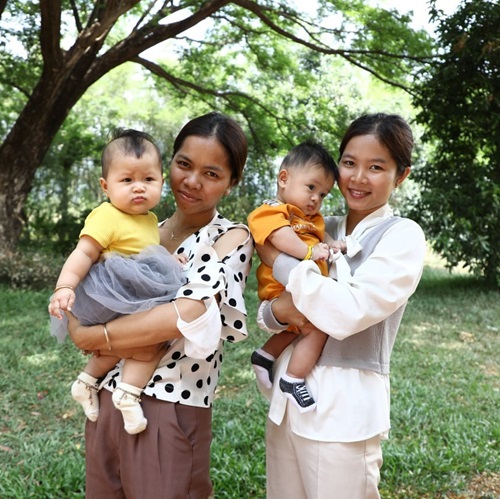
The team will conduct a randomized controlled trial to find out if providing higher doses of thiamine supplementation, starting during pregnancy and continuing through breastfeeding and early childhood, can further improve infant cognitive development.
Factors Group of Nutritional Companies Inc. are generously donating the thiamine supplements for the study.
Cognitive development in the early years lays the foundation for lifelong learning, productivity, and work potential, and thiamine is an essential component. This research will address knowledge gaps and inform future maternal and child nutrition policies in Cambodia and beyond.
Dr. Whitfield’s Research Program
Dr. Whitfield explores the what and how of feeding during the first 1,000 days of life – from conception to two years. She leads the Milk and Micronutrient Assessment (MAMA) Lab, which is focused on identifying culturally appropriate public health interventions to combat micronutrient deficiencies in low-resource settings. The lab also studies infant feeding behaviours and the potential long-term effects of early feeding on eating patterns and disease risk later in life.
Student Research Opportunities
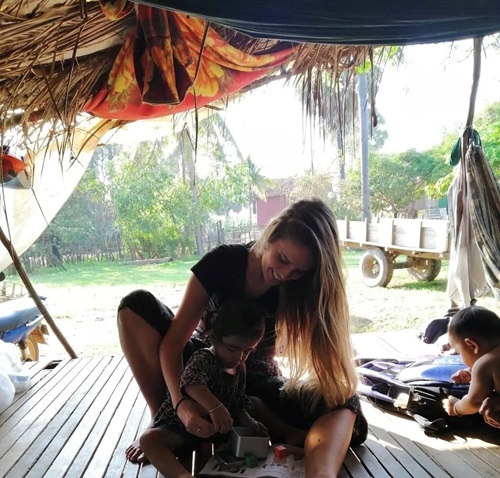
Dr. Whitfield supports many student researchers. More than a dozen students in MSVU’s Undergraduate Applied Human Nutrition and Graduate Applied Human Nutrition programs have trained in the MAMA Lab – about half on projects related to thiamine and maternal and child nutrition in Cambodia.
Many students – including at least one MSVU master’s student – will have the opportunity to work on this new study, and many students will benefit from the study’s data in the future. MAMA Lab alumnae Jelisa Gallant will be pursuing her PhD while working on this study.
Undergraduate and graduate students in Applied Human Nutrition at MSVU have the opportunity to work with leading researchers on on-going projects. Students are encouraged to check the faculty members webpages and reach out to faculty to learn more about volunteer or research opportunities.